
Agricultural Insolvencies Surge in Romania by 181.8% in Early 2026
Structural pressures and financial strain push the sector into its most severe imbalance in decades
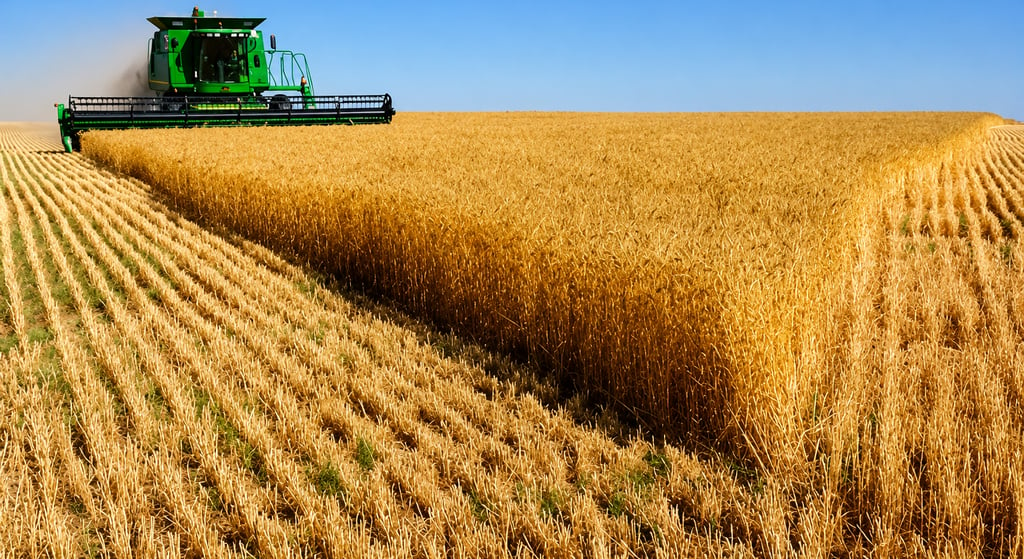
The Romanian agricultural sector (sectorul agricol) is currently experiencing a dramatic escalation in financial distress, as the number of insolvencies (numărul insolvențelor) rose by 181.8% in the first quarter of 2026. According to an extensive analysis conducted by INFINEXA, this development reflects the most severe structural imbalance (dezechilibru structural) seen in the sector over the past 30 years. The study integrates financial data from the top 500 producers and grain traders (comercianți de cereale), alongside statistics from national institutions such as the National Institute of Statistics and the National Bank of Romania, as well as environmental data from the National Meteorological Administration.
The report identifies a complex combination of pressures contributing to the ongoing financial difficulties (dificultăți financiare). These include margin compression (compresia marjelor) in grain trading, rising operational costs, and declining selling prices, all of which are putting increasing strain on companies. “Romanian agriculture is going through an extremely difficult period. Margin compression in grain trading, the gradual exit of large players from this segment, short-term financing instruments that are inadequate for the business model, continuously rising cost pressures, and declining selling prices are all simultaneously weighing on companies that, just a few years ago, were on a sustained growth path.”
At the same time, the structure of the market itself is amplifying vulnerabilities. The commoditization of grains (comoditizarea cerealelor), long investment cycles, and insufficient working capital (capital de lucru) create conditions where even productive companies struggle to remain stable. “The case of Șerban Holding Group and other agribusiness companies in similar situations illustrates a systemic problem. This is not strictly financial but relates to the structure of the market—particularly the commoditization of grains amid regional pressure, investment cycles that are too long relative to price volatility, and insufficient working capital to support production from sowing to sale.”
Importantly, the report emphasizes that restructuring procedures (proceduri de restructurare) should not be seen as failure, but rather as a mechanism for recovery. “However, I would emphasize that the protection offered by restructuring legal frameworks is not a sign of failure, but a mechanism that allows operationally viable companies to reorganize their financial and operational structure without interrupting activity. Our analysis targets only good-faith entrepreneurs affected by factors beyond their control, and the results bring these vulnerabilities to the attention of all decision-makers in the sector,” said Adrian Lotrean, Founder of INFINEXA.
A striking contradiction defines 2025: despite a record harvest (recoltă record), insolvencies also reached record levels. During that year, 458 requests to open collective insolvency proceedings (proceduri de insolvență) were admitted, targeting companies with total fixed assets exceeding RON 9.6 billion. Within this group, agriculture accounted for 44 cases, representing 9.6% of the total and involving cumulative assets of RON 575.9 million. Notably, most companies chose recovery-oriented solutions, including general insolvency procedures and preventive concordat (concordat preventiv) mechanisms, highlighting a preference for negotiation over liquidation.
The financial strain intensified as companies with weaker-than-expected revenues during the summer and autumn seasons of 2025 depleted their reserves. By the end of the year, many had exhausted their working capital reserves (rezerve de capital de lucru), leading to an inability to meet financial obligations. This translated into formal insolvency filings starting in early 2026, typically with a delay of three to six months after the initial onset of distress. The 31 agricultural companies entering procedures in the first quarter of 2026 generated a combined turnover of approximately RON 1.68 billion and employed 953 people, demonstrating the significant economic impact (impact economic) of the crisis.
“Romania recorded its best wheat year since 1997 in 2025. At the same time, agriculture’s share in total insolvency proceedings rose from 9.6% (Q1 2025) to 20.7% (Q1 2026). Our analysis shows that the problems are structural, not cyclical; a good harvest cannot offset three years of accumulated losses and deferred debt that became due simultaneously in August 2025. What we see today in agriculture is the result of five shocks applied to an already vulnerable industry,” added Mircea Șomlea, Senior Partner at INFINEXA.
Between January and March 2026, the agricultural sector recorded 31 insolvency or preventive concordat cases out of a total of 150 across the economy. This sharp rise contrasts with the broader trend, where total insolvencies increased by only 31.6%. The sector’s disproportionate growth highlights how agriculture is increasingly vulnerable to both internal inefficiencies and external shocks, including volatile global commodity prices, climate-related disruptions, and tightening financial conditions. These broader dynamics reinforce the need for structural reforms and more resilient financing mechanisms within the agribusiness ecosystem (ecosistem agricol).
In addition, global agricultural markets have been undergoing increased volatility due to geopolitical tensions, supply chain disruptions, and climate variability. These factors have contributed to fluctuating commodity prices and uncertainty in planning cycles. For Romanian producers, whose operations depend heavily on exports and seasonal cycles, such instability further exacerbates liquidity constraints and heightens exposure to risk. Without improved risk management tools and longer-term financing options, many companies remain vulnerable to future shocks.
Ultimately, the data suggests that Romania’s agricultural sector is facing a systemic transformation. While productivity remains strong, as evidenced by high yields, financial sustainability is under pressure. Addressing these challenges will require coordinated efforts from policymakers, financial institutions, and industry participants to strengthen resilience, improve access to capital, and stabilize the market environment for the long term.
Key Romanian Vocabulary
sectorul agricol agricultural sector
numărul insolvențelor number of insolvencies
dezechilibru structural structural imbalance
comercianți de cereale grain traders
dificultăți financiare financial difficulties
compresia marjelor margin compression
comoditizarea cerealelor commoditization of grains
capital de lucru working capital
proceduri de restructurare restructuring procedures
recoltă record record harvest
proceduri de insolvență insolvency proceedings
concordat preventiv preventive concordat
rezerve de capital de lucru working capital reserves
impact economic economic impact
ecosistem agricol agribusiness ecosystem