
Bucharest becomes home to Europe’s largest Japanese cherry blossom garden
Spring attraction blends nature, culture, and international traditions
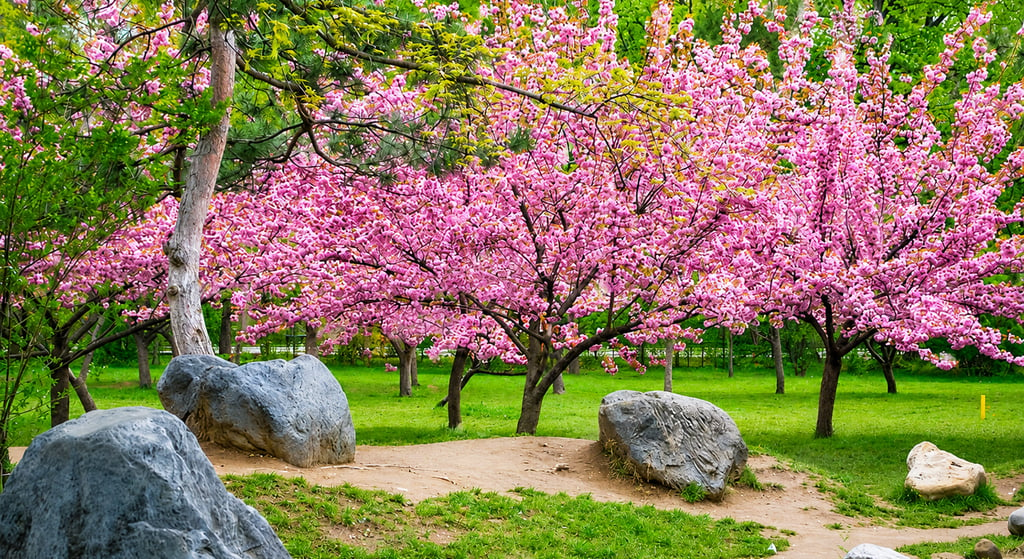
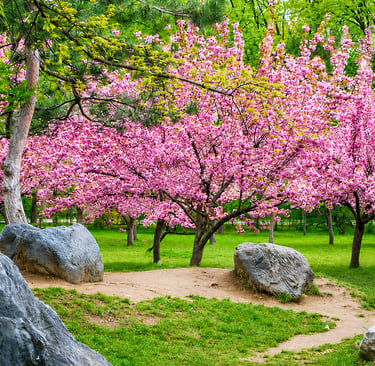
Europe’s largest Japanese cherry blossom garden (grădină japoneză de cireși înfloriți) is located in Bucharest’s King Michael I Park, formerly known as Herăstrău Park, attracting hundreds of visitors every year. People of all ages, coming from different parts of the world, gather beneath the pink and white blossoms to take photos and enjoy picnics, transforming the area into a lively seasonal destination and a symbol of spring in the Romanian capital.
The city authorities recently expanded the garden by planting 24 additional cherry blossom trees (cireși ornamentali), bringing the total number to 85. With this expansion, the Bucharest garden has surpassed the one in Stockholm, becoming the largest of its kind in Europe. This development reflects the growing importance of urban green spaces and their role in enhancing both tourism and quality of life in major cities.
“Only Bonn and Amsterdam have more cherry blossoms than we do, but theirs are spread across parks and city streets,” Bucharest Mayor Ciprian Ciucu said.
Unlike those cities, where trees are distributed across different locations, Bucharest offers a concentrated floral landscape (peisaj floral) that allows visitors to experience the full visual impact of the blossoms in one place. This unique arrangement creates a more immersive and aesthetically pleasing environment, making the garden a popular attraction for photography and leisure.
In addition to cherry blossom trees, the garden also includes elements inspired by traditional Japanese landscaping, such as bonsai, maple trees, and bamboo. These features contribute to an authentic Japanese garden design (design de grădină japoneză), offering visitors a space that reflects harmony, balance, and simplicity. The presence of these elements enhances the cultural value of the garden and provides a more complete experience.
Every year, during the period around Easter, the garden hosts Hanami (Hanami), the traditional Japanese celebration of cherry blossoms. This event allows visitors to engage in a variety of cultural activities, including tea ceremonies, origami workshops, calligraphy sessions, and even the opportunity to wear a kimono. These experiences introduce participants to Japanese traditions and create a festive and educational atmosphere.
The popularity of the garden highlights the increasing interest in cultural exchange (schimb cultural) and international traditions within Romania. Events like Hanami not only celebrate natural beauty but also encourage interaction between cultures, helping to build a deeper understanding and appreciation of global heritage.
Urban green spaces such as this cherry blossom garden also play an important role in improving environmental conditions. They contribute to better air quality, provide habitats for various species, and offer residents a place to relax and reconnect with nature. The integration of nature and culture in a single space makes the garden both a recreational and educational asset.
In conclusion, Bucharest’s Japanese cherry blossom garden stands out as a remarkable example of how cities can combine natural beauty with cultural experiences. Its continued development and growing popularity confirm its status as one of the most significant spring attractions in Europe.
Key Romanian Vocabulary
grădină japoneză de cireși înfloriți Japanese cherry blossom garden
cireși ornamentali cherry blossom trees
peisaj floral floral landscape
design de grădină japoneză Japanese garden design
Hanami Hanami
schimb cultural cultural exchange