
Historic return of moose to Romania’s wild ecosystems after two centuries
Reintroduction project in Vânători-Neamț Natural Park marks a milestone in biodiversity restoration
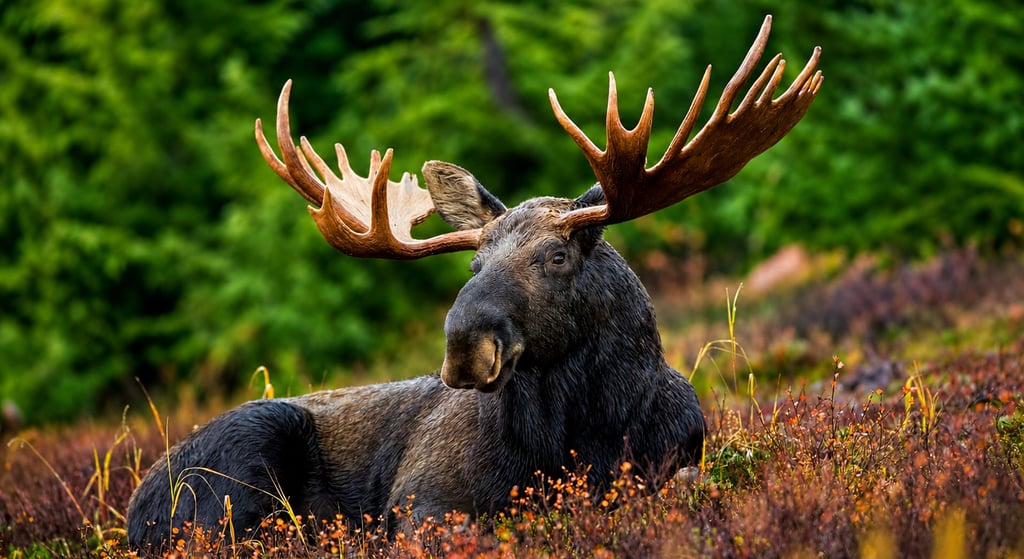
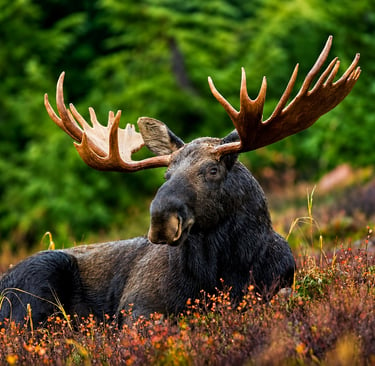
Romania has taken a significant step in restoring its natural heritage with the reintroduction of moose (reintroducerea elanului) into the wild after an absence of more than 200 years. Four animals were brought to the Vânători-Neamț Natural Park (Parcul Natural Vânători-Neamț), in an initiative described as a historic moment for conservation and ecological recovery. The return of this large herbivore symbolizes an important achievement in efforts aimed at rebuilding lost wildlife populations and strengthening ecosystem balance.
The biodiversity restoration (restaurarea biodiversității) project reflects a broader strategy to reintroduce species that once played a key role in Romania’s forest ecosystems. Moose, known for their size and ecological influence, contribute to shaping vegetation patterns and supporting habitat diversity. Their presence can positively impact forest dynamics by controlling plant growth and creating opportunities for other species to thrive within the same environment.
Historically, moose were part of Romania’s fauna but disappeared due to overhunting and habitat loss (vânătoare excesivă și pierderea habitatului). Across Europe, similar declines were recorded as human expansion, deforestation, and agricultural development reduced natural habitats. In recent decades, conservation programs across the continent have focused on reversing these losses through carefully managed reintroduction efforts, supported by scientific research and international collaboration.
The arrival of the four animals in Vânători-Neamț Natural Park represents the first phase of what could become a larger wildlife reintroduction program (program de reintroducere a faunei). Specialists involved in the initiative will monitor the animals closely to ensure their adaptation to the environment and to evaluate the long-term viability of the population. Factors such as food availability, habitat suitability, and interaction with other species will be key in determining the success of the project.
Protected areas like Vânători-Neamț play a crucial role in such initiatives by offering relatively undisturbed environments where species can re-establish themselves. These zones are designed to support conservation goals while also allowing for scientific observation and sustainable tourism. The park itself is known for its diverse ecosystems, including forests and grasslands that can support large herbivores such as moose.
The reintroduction also aligns with European conservation policies aimed at enhancing ecosystem resilience (reziliența ecosistemelor) and protecting natural biodiversity. Rewilding projects, which involve restoring natural processes and species, have gained increasing attention as tools to combat biodiversity loss and mitigate the effects of climate change. Large mammals like moose are often considered keystone species (specii cheie), meaning their presence has a disproportionately large impact on their environment.
Public interest in conservation efforts has been growing, and such initiatives often serve as powerful symbols of environmental recovery. The return of a species absent for centuries highlights the potential for reversing ecological damage when long-term strategies and coordinated efforts are applied. It also encourages awareness about the importance of protecting natural habitats and maintaining ecological balance.
Experts emphasize that successful reintroduction requires not only suitable habitats but also ongoing management and community support. Local communities play a role in ensuring coexistence with wildlife, especially when large animals are involved. Education and communication are therefore essential components of conservation programs, helping to build understanding and acceptance of such projects.
In conclusion, the reintroduction of moose to Romania marks a landmark achievement in conservation, demonstrating the country’s commitment to restoring its natural ecosystems. If successful, the initiative could pave the way for further projects aimed at re-establishing lost species and strengthening environmental sustainability (sustenabilitate ecologică) across the region.
Key Romanian Vocabulary
reintroducerea elanului reintroduction of moose
Parcul Natural Vânători-Neamț Vânători-Neamț Natural Park
restaurarea biodiversității biodiversity restoration
vânătoare excesivă și pierderea habitatului overhunting and habitat loss
program de reintroducere a faunei wildlife reintroduction program
reziliența ecosistemelor ecosystem resilience
specii cheie keystone species
sustenabilitate ecologică environmental sustainability