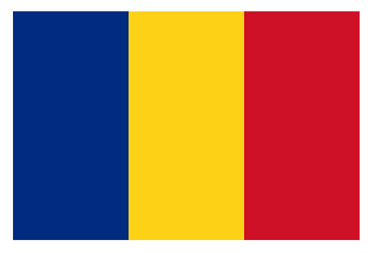
Moldova Moves to Exit the CIS as Post-Soviet Bloc Faces Further Fragmentation
Decision reflects geopolitical realignment and deepening ties with the European Union
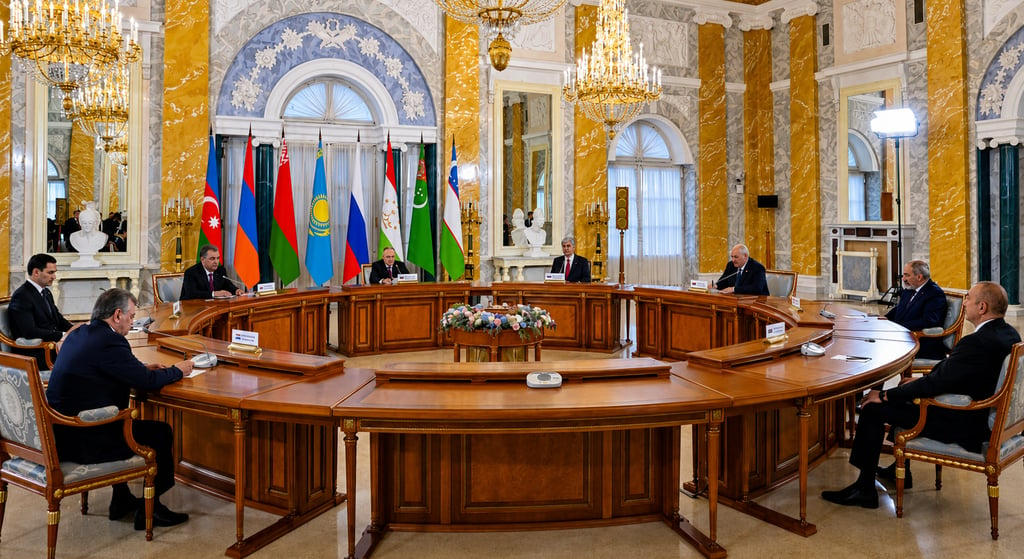
Moldova’s parliament has approved, in final reading on April 2, the country’s withdrawal from the Commonwealth of Independent States, marking a decisive step in its geopolitical repositioning and its move away from post-Soviet integration (integrare post-sovietică). Sixty deputies voted in favor of the decision, after which President Maia Sandu promulgated the denunciation decrees. These were published in the Official Journal on April 8 and entered into force, with the Foreign Ministry expected to notify the organization, initiating the formal process of legal withdrawal (retragere legală).
If the withdrawal takes full effect following notification and the required notice period, eight states will remain members of the CIS: Armenia, Azerbaijan, Belarus, Kazakhstan, Kyrgyzstan, Russia, Tajikistan, and Uzbekistan. Moldova’s exit highlights the weakening of regional cooperation frameworks (cadre de cooperare regională) established after the dissolution of the Soviet Union and signals a broader shift in geopolitical alignment (aliniere geopolitică).
The CIS was originally created as a mechanism to manage the collapse of the Soviet Union and maintain cooperation among former republics, representing a model of post-imperial coordination (coordonare post-imperială). Moldova’s denunciation targets the core agreements that formed the basis of this structure, including the founding agreement and subsequent statutes. Although the CIS will continue to exist, Moldova’s departure contributes to its diminishing political relevance and reduced institutional cohesion (coeziune instituțională).
Authorities in Chișinău argue that the organization no longer reflects its foundational principles, particularly regarding territorial integrity (integritate teritorială) and the inviolability of borders (inviolabilitatea frontierelor). They cite Russia’s war against Ukraine, past actions in Georgia, and the continued presence of Russian troops on Moldovan territory as key reasons for this decision. The move aligns with Moldova’s European integration path (parcurs de integrare europeană) and its strategic orientation toward the European Union.
Economic data further supports this shift. Trade with CIS countries has declined significantly, with only 5.9 percent of Moldova’s exports going to those states in 2025, compared to 67.5 percent directed toward the European Union. This reflects a broader process of economic reorientation (reorientare economică) and increasing dependence on European markets (piețe europene) as the country strengthens its ties with Western partners.
The withdrawal process had already been anticipated. On January 19, Deputy Prime Minister and Foreign Minister Mihai Popșoi announced the beginning of the denunciation of three key agreements underpinning Moldova’s membership. “We are already in the process of getting approvals for the denunciation of three agreements with the CIS. They are the agreements that form the basis of our affiliation to the CIS, namely: the CIS Statute, the CIS Founding Agreement, and the Annex to this agreement,” Popșoi said, confirming the transition from de facto disengagement (dezangajare de facto) to formal legal exit.
Moldova’s trajectory toward distancing itself from its Soviet legacy intensified after the 2020 presidential elections, when Maia Sandu announced a clear commitment to EU integration and ceased participation in CIS summits. Since then, authorities have systematically reduced their involvement in CIS-related frameworks, rescinding agreements and limiting institutional engagement as part of a broader policy realignment (realiniere politică).
As of January 2026, Moldova had signed 283 CIS agreements, of which 71 had already been revoked, with approximately 60 more under review. This gradual process illustrates a methodical approach to legal disentanglement (dezangajare juridică) and reflects the complexity of exiting long-standing international commitments.
Further steps included the denunciation, on December 12, 2025, of the 1992 Bishkek agreement on visa-free travel within the CIS. While bilateral agreements maintain visa-free regimes with several countries, the termination of this multilateral arrangement affects states such as Tajikistan and Kyrgyzstan, demonstrating how bilateral diplomacy (diplomație bilaterală) is replacing broader regional frameworks.
Historically, the CIS emerged in December 1991 following the signing of agreements that formalized the dissolution of the Soviet Union. Leaders from Russia, Ukraine, and Belarus initiated the process, later joined by other republics in agreements such as the Alma-Ata Declaration. These events marked the beginning of post-Soviet statehood (statalitate post-sovietică) and attempts to maintain cooperation after the collapse of a centralized system.
However, integration in the post-Soviet space has evolved along multiple paths. Alongside the CIS, deeper economic initiatives such as the Eurasian Economic Union developed, reflecting alternative models of regional integration (integrare regională). Moldova’s withdrawal should therefore be seen as part of a broader reconfiguration of relationships among former Soviet states, rather than an isolated development.
Recent developments in other countries further illustrate this trend. Armenia, for example, has initiated steps toward European Union accession while remaining part of the Eurasian Economic Union, signaling a diversification of strategic orientations (orientări strategice). This suggests that former Soviet republics are no longer aligned around a single center of influence, but are pursuing distinct political and economic paths.
In this context, Moldova’s decision represents both a symbolic and practical break from its past, reinforcing its commitment to European integration and redefining its position within the evolving geopolitical landscape of Eastern Europe and Central Asia.
Photo caption: The Moldovan parliament in Chișinău, where lawmakers approved the country’s withdrawal from the Commonwealth of Independent States.
Key Romanian Vocabulary
integrare post-sovietică post-Soviet integration
retragere legală legal withdrawal
cadre de cooperare regională regional cooperation frameworks
aliniere geopolitică geopolitical alignment
coordonare post-imperială post-imperial coordination
coeziune instituțională institutional cohesion
integritate teritorială territorial integrity
inviolabilitatea frontierelor inviolability of borders
parcurs de integrare europeană European integration path
reorientare economică economic reorientation
piețe europene European markets
dezangajare de facto de facto disengagement
realiniere politică policy realignment
dezangajare juridică legal disentanglement
diplomație bilaterală bilateral diplomacy
statalitate post-sovietică post-Soviet statehood
integrare regională regional integration
orientări strategice strategic orientations