
Romania’s Foreign Debt Continues to Rise, Reaching Over €229 Billion
Latest central bank data highlights steady increase in external liabilities amid evolving economic pressures
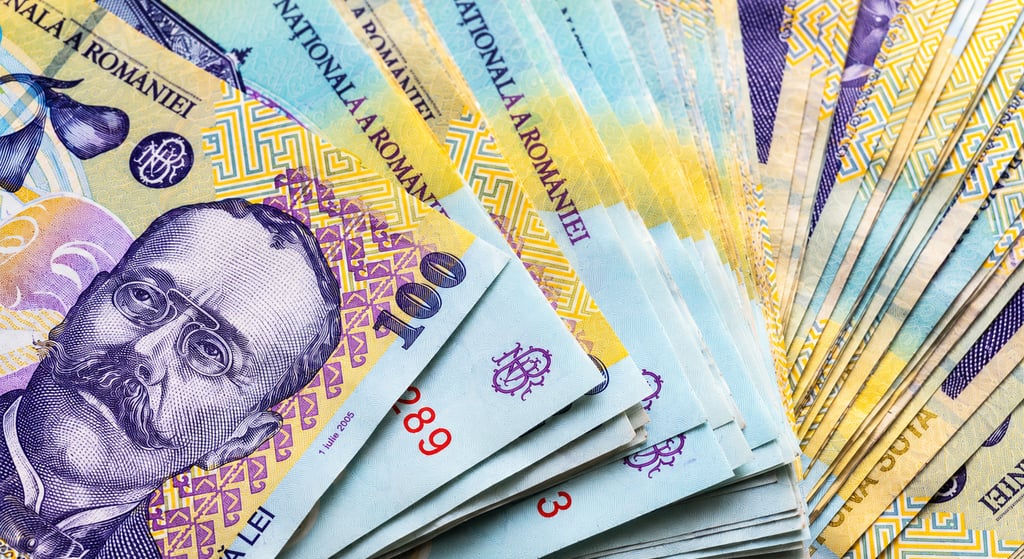
Romania’s gross foreign debt reached 229.333 billion euro at the end of January, rising from 228.463 billion euro recorded at the end of 2025, according to data released by the central bank. This increase reflects a continued upward trend in the country’s external liabilities (datorii externe) and signals ongoing pressures within the broader macroeconomic environment (mediu macroeconomic). The figures illustrate a gradual but persistent accumulation of obligations owed to foreign creditors.
Foreign debt is a key indicator of a country’s financial stability, encompassing both public and private sector borrowing from external sources. The latest data suggests that Romania’s debt exposure (expunere la datorie) remains elevated, although such levels are not uncommon for emerging economies seeking to finance growth and development. Governments often rely on external borrowing to support investments, cover budget deficits, or stabilize their balance of payments (balanță de plăți).
The increase in foreign debt can be attributed to several factors, including government borrowing, corporate financing needs, and changes in exchange rates. In Romania’s case, recent fiscal policies and investment programs have contributed to a higher financing requirement (necesar de finanțare) from international markets. At the same time, private companies may also increase borrowing to sustain operations or expand, adding to the overall debt stock (stoc de datorie).
While the reported increase between the two periods may appear modest, it is part of a broader trend observed over recent years. Romania has experienced consistent growth in its foreign debt as it continues to integrate into global financial systems. This reflects both opportunities and risks associated with increased financial integration (integrare financiară), including improved access to capital but also greater vulnerability to external shocks.
An important aspect of foreign debt analysis is its structure, including maturity and currency composition. A high share of short-term debt or exposure to foreign currencies can increase refinancing risks (riscuri de refinanțare) and sensitivity to exchange rate fluctuations. For Romania, maintaining a balanced structure is crucial to ensuring long-term debt sustainability (sustenabilitate a datoriei) and avoiding sudden financial stress.
In addition, global economic conditions play a significant role in shaping debt dynamics. Rising interest rates in major economies can increase the cost of borrowing, placing additional strain on countries with significant external obligations. This creates a challenging interest rate environment (mediu al ratelor dobânzilor) that may affect Romania’s future borrowing costs and fiscal planning.
The evolution of foreign debt must also be considered alongside other macroeconomic indicators, such as economic growth, inflation, and the current account balance. A widening current account deficit, for instance, can signal increasing reliance on external financing, reinforcing external imbalances (dezechilibre externe). Recent data for Romania suggests that managing these imbalances remains a key policy priority.
From a policy perspective, authorities typically aim to balance growth objectives with prudent debt management. This involves implementing measures to control public spending, improve revenue collection, and attract stable investment flows. Strengthening the country’s fiscal discipline (disciplină fiscală) is essential to maintaining investor confidence and ensuring access to international markets.
International institutions such as the International Monetary Fund and the European Commission often monitor these indicators closely, providing assessments and recommendations. Their analyses emphasize the importance of maintaining a sustainable trajectory for debt while supporting economic development through structural reforms and efficient allocation of resources.
In conclusion, Romania’s rising foreign debt reflects both the demands of economic development and the challenges of managing external financing in a complex global environment. While the current levels remain manageable, continued vigilance is required to mitigate risks associated with increasing external indebtedness (îndatorare externă) and to ensure long-term financial stability.
Key Romanian Vocabulary
datorii externe external liabilities
mediu macroeconomic macroeconomic environment
expunere la datorie debt exposure
balanță de plăți balance of payments
necesar de finanțare financing requirement
stoc de datorie debt stock
integrare financiară financial integration
riscuri de refinanțare refinancing risks
sustenabilitate a datoriei debt sustainability
mediu al ratelor dobânzilor interest rate environment
dezechilibre externe external imbalances
disciplină fiscală fiscal discipline
îndatorare externă external indebtedness