Romania’s political crisis fuels rise of nationalist opposition
George Simion positions himself for power as governing coalition struggles to hold together
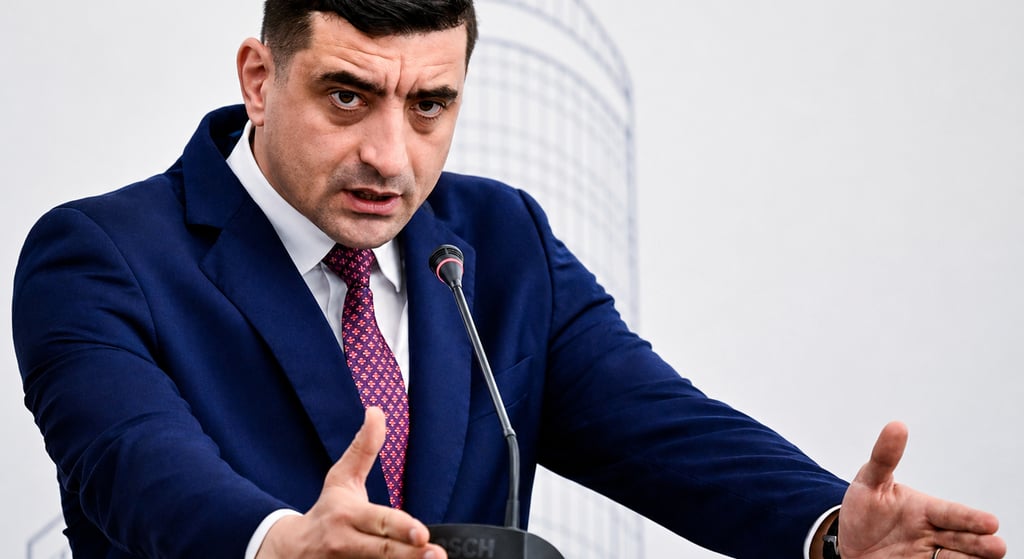
Romania is facing a deepening political crisis (criză politică) as the country’s centrist governing coalition weakens, creating an opportunity for nationalist leader George Simion to push for power. After losing the presidential race last year, Simion now sees a new path forward as traditional pro-European parties struggle to maintain stability and prevent his rise.
The country’s mainstream parties are working to keep the ultranationalist and euroskeptic leader on the sidelines, but Simion’s party is gaining momentum. His political movement, aligned with right-wing populism (populism de dreapta), has been advancing in national polls and increasingly positioning itself as a viable alternative to the current leadership. This shift reflects broader trends across Europe, where similar political forces have been gaining influence.
Simion has openly stated his ambitions, emphasizing the importance of democratic change. “My hope is that we have a change in power … democracy is about alternating in power, so they have to do the democratic thing and let us govern … listen to the vote of the people,” he told POLITICO. His message resonates with voters dissatisfied with the current administration and its handling of economic and political challenges.
The crisis has been triggered largely by disagreements over austerity measures (măsuri de austeritate) needed to address Romania’s budget deficit. The governing coalition began to fracture after the Social Democratic Party withdrew its support for Prime Minister Ilie Bolojan, citing concerns about the scale of spending cuts. This disagreement exposed deeper tensions within the alliance and contributed to its instability.
Simion criticized the current coalition as an “unnatural alliance,” pointing out the ideological differences between the parties involved, including liberal, socialist, and minority representatives. He has indicated that his party is open to negotiations, stating: “We are willing to talk with everybody to create a government.” This approach suggests a pragmatic strategy aimed at expanding political influence.
In terms of policy, Simion’s platform includes opposition to certain European Union directives, particularly regarding public spending and migration. His stance reflects a broader euroskeptic position (poziție eurosceptică) that challenges deeper European integration. He has also expressed reluctance to support funding for Ukraine, indicating a shift in Romania’s potential foreign policy direction if his party were to gain power.
Poll data shows that Simion’s party holds a strong lead, with around 35 percent support, significantly ahead of its competitors. This growing popularity increases pressure on traditional parties, which are now seeking ways to reorganize and prevent a further shift in the political balance. The situation highlights the importance of electoral dynamics (dinamică electorală) in shaping the country’s future governance.
The political uncertainty also carries significant economic implications. Romania risks delays in approving key defense contracts and accessing substantial European funding, including billions allocated for recovery and security programs. Such delays could weaken the country’s position within the European Union and affect its economic trajectory.
Despite speculation about possible new elections, this scenario remains unlikely due to constitutional constraints and political calculations. Instead, leaders are exploring alternatives such as forming a minority government, though this would still require additional parliamentary support. The complexity of the situation suggests that the crisis may persist in the coming months.
Simion himself anticipates a prolonged period of instability, suggesting that elections could take place within a few months if no agreement is reached. He has also outlined conditions for cooperation, including reducing the number of parliamentarians and cutting party subsidies. These proposals form part of his broader agenda to reshape the political system.
Meanwhile, tensions continue between the main parties, with mutual accusations regarding responsibility for the crisis. Some leaders warn that internal divisions could inadvertently strengthen extremist movements. Maintaining a balance between political competition and institutional stability remains a key challenge for Romania’s leadership.
In conclusion, Romania’s current political crisis is reshaping the country’s political landscape, with significant implications for governance, economic stability, and international relations. The outcome of this situation will determine whether the country continues on its current path or shifts toward a new political direction influenced by rising nationalist forces.
Key Romanian Vocabulary
criză politică political crisis
populism de dreapta right-wing populism
măsuri de austeritate austerity measures
poziție eurosceptică euroskeptic position
dinamică electorală electoral dynamics