Surveillance, Memory, and Film: A Photographer’s Secret Files from Communist Romania
How hidden archives and a short documentary reveal the extent of Cold War-era monitoring
He had wild hair, wore jeans, and carried a camera. He was American and Jewish. That alone was enough to trigger state surveillance (supraveghere de stat) by the feared secret police of communist Romania, the Securitate, an institution synonymous with political repression (represiune politică) during the Cold War.
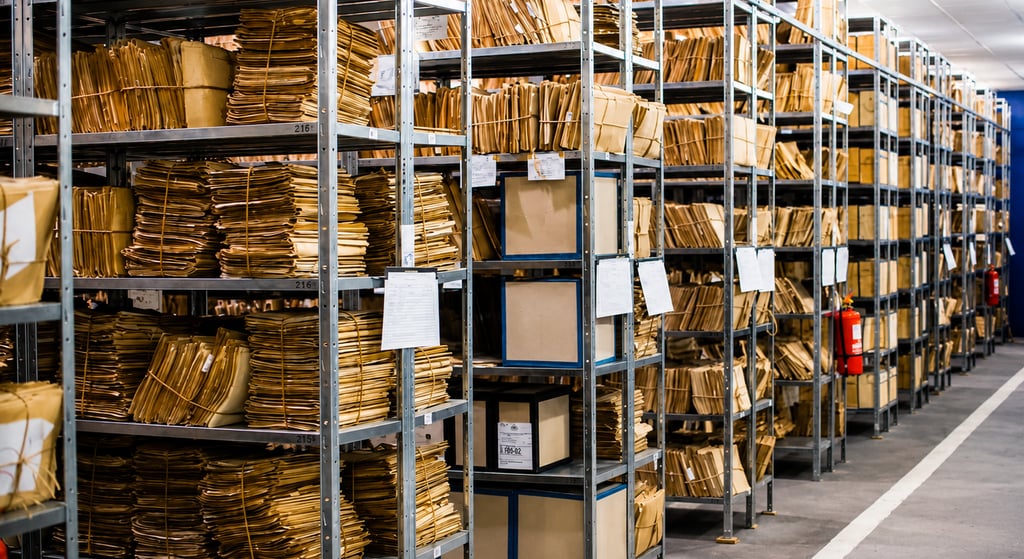
More than four decades after photojournalist Edward Serotta traveled behind the Iron Curtain, newly uncovered files reveal the extent to which Romanian authorities monitored his every move. These documents have now been transformed into a short documentary, archival reconstruction (reconstrucție arhivistică) brought to life by director Radu Jude and historian Adrian Cioflâncă, offering a rare look at the mechanics of intelligence gathering (colectare de informații) under a totalitarian regime.
“Plan contraplan/Shot Reverse Shot,” which premiered at the Berlinale international film festival, juxtaposes Serotta’s personal memories with the official reports compiled by the Securitate. The film provides a dual narrative, blending personal testimony (mărturie personală) with bureaucratic observation, highlighting the stark contrast between lived experience and institutional paranoia (paranoia instituțională).
Serotta, who later became known for documenting Jewish life across Europe, recalls how Romanian authorities in 1985 “had given me the permission to come to Romania under the idea that they would have glowing and fine articles and positive articles about Romania.” His goal was to photograph World War II memorials, which at the time were scarce, reflecting a broader issue of historical omission (omisiune istorică) and selective memory within the communist narrative.
“He will be put under surveillance,” states a report quoted in the film, “in order to prevent contact with parasitic protest elements.” While Serotta focused on capturing images, informants engaged in covert operations, taking photographs, recording notes, and even tampering with his materials. In one instance, they entered his hotel room and exposed a roll of film, an example of covert interference (interferență clandestină) designed to disrupt his work.
Today, these actions may seem absurd, yet at the time they reflected a system driven by ideological control (control ideologic) and fear. Cioflâncă noted that although some details now appear almost comical, life under communism was far from humorous. The Securitate maintained a vast network of agents and informants, embodying a culture of constant surveillance (supraveghere constantă) that affected millions of citizens.
Historical data supports this picture. The Securitate reportedly employed thousands of agents and hundreds of thousands of informants to monitor a population of around 22 million. According to official investigations, hundreds of thousands were imprisoned for political reasons, and tens of thousands died, illustrating the devastating human cost of authoritarian governance (guvernare autoritară).
Despite this oppressive environment, Western journalists were sometimes welcomed, particularly during the 1980s, when the Romanian leadership sought improved relations with the United States. The regime aimed to secure favorable economic status, which required demonstrating limited openness. These visits often served as propaganda instruments (instrumente de propagandă), carefully managed to shape international perception.
“There were 855 Western journalists coming to Romania during the Ceaușescu period, and 80 of them were American,” said Cioflâncă. “Many of these visits were organized as a propaganda instrument. In all the cases, they wanted to interfere with the journalist and to influence his work. They tried something similar with Edward when he came.” This reflects the regime’s attempt at narrative manipulation (manipulare narativă) while maintaining strict internal control.
Serotta himself observed how authorities viewed Jewish identity as politically significant. “They felt that the Jews are so influential, especially in the relationship with the United States,” he said. In this context, identity became part of a broader framework of geopolitical perception (percepție geopolitică) and strategic influence.
Years later, Serotta discovered that the Securitate had compiled around 300 pages of files on him. “The funny thing is, I didn’t think I was important enough to have any,” he recalled. These documents revealed attempts to reshape historical narratives, including claims that World War II atrocities were “a marginal moment,” illustrating efforts at historical revisionism (revizionism istoric).
Modern historical research contradicts such claims. Institutions like the US Holocaust Memorial Museum confirm that at least 380,000 Romanian Jews were killed during the Holocaust, emphasizing the scale of systematic persecution (persecuție sistematică) that authorities sought to downplay.
Reflecting on his time in Romania, Serotta described “a very tense atmosphere. Nothing worked properly. We barely found food in stores. It was awful.” His account aligns with broader evidence of economic hardship (dificultăți economice) and declining living standards in the final years of the regime.
He also expressed surprise at the intensity of surveillance directed at him. “Many Securitate officers were pretty stupid,” he said. “They were so distorted in doing their job that they didn’t have this sense of [the] ridiculous and humor.” Their methods were often rudimentary, involving hidden photography and constant tailing, highlighting the inefficiencies within a system driven by bureaucratic obsession (obsesie birocratică).
For the most part, Serotta remained unaware of the surveillance, except in isolated moments when it became obvious he was being followed. Despite this, the experience proved transformative. Visiting Jewish communities in Romania gave him a profound sense of connection. “Wow, this is interesting. This is like the old country,” he recalled. Then came a realization: “It’s not like the old country. It is the old country, and I’m in it.”
This moment marked the beginning of a lifelong commitment to documenting Jewish heritage, an enduring engagement with cultural memory (memorie culturală) and preservation. The journey opened what he described as a door he would never close, shaping decades of work dedicated to recording lives and histories that might otherwise have been forgotten.
Key Romanian Vocabulary
supraveghere de stat state surveillance
represiune politică political repression
reconstrucție arhivistică archival reconstruction
colectare de informații intelligence gathering
mărturie personală personal testimony
paranoia instituțională institutional paranoia
omisiune istorică historical omission
interferență clandestină covert interference
control ideologic ideological control
supraveghere constantă constant surveillance
guvernare autoritară authoritarian governance
instrumente de propagandă propaganda instruments
manipulare narativă narrative manipulation
percepție geopolitică geopolitical perception
revizionism istoric historical revisionism
persecuție sistematică systematic persecution
dificultăți economice economic hardship
obsesie birocratică bureaucratic obsession
memorie culturală cultural memory