
Tens of Millions of Euros Directed by the Viktor Orban Government to Foundations Linked to UDMR
An investigation reveals a complex financial and institutional network connecting Hungarian public funds to political structures in Romania
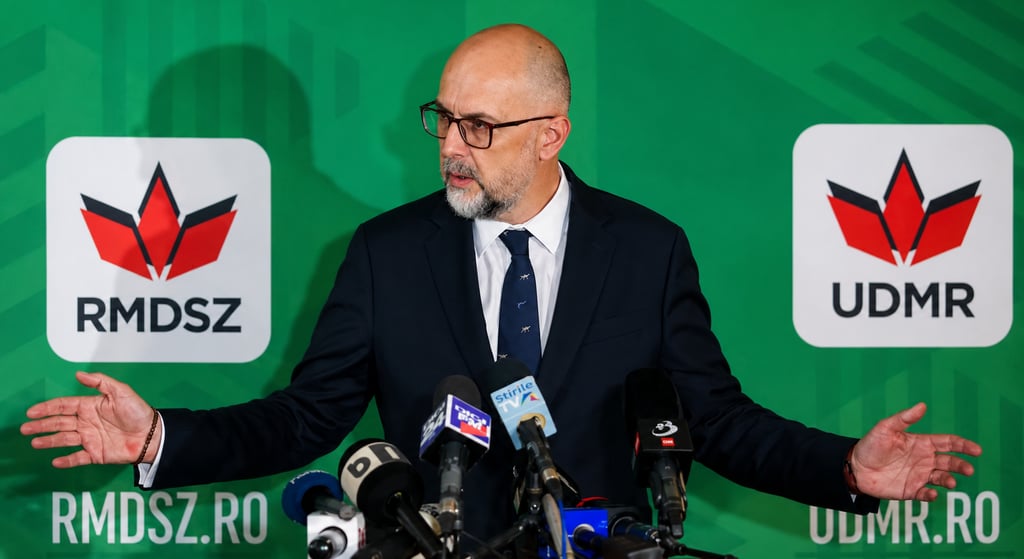
The data published by indepedent sources shows unequivocally that the core of this system is represented by two entities, Iskola Alapítvany and Eurotrans Alapítvany, both created by UDMR and operated by individuals from a close political circle, forming an institutional network (rețea instituțională) that is deeply embedded in the Union’s structure. According to the investigation, this funding mechanism (mecanism de finanțare) allowed the redirection of tens of millions of euros through apparently independent foundations that are, in reality, closely aligned with political objectives.
UDMR benefited from a systematic financial structure supported by the government in Budapest and Fidesz, built through foundations that appear autonomous but function as extensions of the party. These entities enabled the creation of a parallel political infrastructure (infrastructură politică) that supports electoral and administrative activities. This represents a sophisticated model of indirectly channeling public funds from another state into a Romanian political formation, effectively bypassing legal restrictions on foreign financing (finanțare externă).
The investigation highlights that these foundations are not merely civic organizations but operational extensions of political power. Shared offices, overlapping leadership, and coordinated activities reveal a high level of institutional overlap (suprapunere instituțională) and centralized control. This structure ensures that resources and decisions remain aligned with the broader political strategy (strategie politică) of the Union and its external partners.
This architecture emerged as a response to legal constraints, as Romanian law prohibits direct foreign funding of political parties. To navigate this limitation, an ecosystem of foundations was created to receive money for projects that, in practice, sustain political operations. This reflects a deliberate legal circumvention (ocolire legală) and creates a dual flow of resources, combining domestic and external funding into a unified influence system (sistem de influență).
The financial scale of this network is significant. Through the Bethlen Gabor Alap alone, the two foundations received approximately 47 million euros by early 2026. Additional funding streams further expand this total, reinforcing the system’s financial capacity (capacitate financiară) and long-term sustainability. Eurotrans, in particular, received continuous funding for administrative programs, demonstrating a steady increase in budget allocation (alocare bugetară) over the years.
Eurotrans Alapítvany has evolved into a comprehensive administrative structure. While officially assisting citizens with obtaining Hungarian citizenship, it manages a wide range of services, including applications, registrations, and documentation processes. This extensive activity forms a complete administrative ecosystem (ecosistem administrativ) and allows the foundation to maintain direct contact with a large population, strengthening its operational influence (influență operațională).
By 2025, the foundation handled approximately 125,000 naturalization applications and tens of thousands of additional administrative files. The cost per case significantly exceeded that of previous systems, highlighting inefficiencies or strategic spending choices within this resource management model (model de gestionare a resurselor). Such figures underline the scale and intensity of the operations involved.
The investigation suggests that this infrastructure is not politically neutral. Through its direct interaction with citizens and involvement in processes like electoral registration, Eurotrans functions as a strategic instrument in maintaining connections between political actors and the electorate. This creates a powerful electoral linkage (legătură electorală) and reinforces long-term political alignment (aliniere politică).
In parallel, Iskola Alapítvany plays a dual role, combining cultural initiatives with structural investments. Programs such as educational projects and publications received substantial funding, contributing to a broader cultural expansion (expansiune culturală) while also supporting underlying institutional goals. These initiatives strengthen both social presence and community engagement (implicare comunitară).
A major component of Iskola’s activity is real estate development. The foundation has built and acquired numerous properties, forming an extensive real estate portfolio (portofoliu imobiliar) financed largely through Hungarian public funds. These investments include cultural centers, offices, and residential buildings, reinforcing the physical presence of the network and its long-term asset consolidation (consolidare de active).
One notable transaction involved the acquisition of a company owning a high-value property in Cluj. Despite inconsistencies in the official funding decisions, the purchase was completed, raising questions about transparency and financial accountability (responsabilitate financiară). This case illustrates the opaque nature of certain operations within the system.
Physical evidence further supports the close relationship between the foundations and the political party. Shared buildings and visible symbols demonstrate a lack of separation, confirming that the foundations act as direct extensions of political structures. This reflects a unified power architecture (arhitectură de putere) rather than independent organizational activity.
Overall, the system described is more than a financial arrangement; it represents a comprehensive structure that transforms public funds into services, infrastructure, and influence. These resources generate loyalty and dependency, forming a durable political ecosystem (ecosistem politic) managed by individuals closely connected to the party.
In this context, statements made by Peter Magyar, leader of the Tisza party, gain additional significance. He stated: "I convey to every Hungarian abroad that they can continue to rely on the Tisza government. They will receive the same subsidies, they will continue to have dual citizenship and the right to vote; only the money they have received as support so far, most of it, will no longer be stolen by criminals linked to Viktor Orban, but will truly reach the Hungarian people, whether they live in Vojvodina or in Transylvania, in Romania.” His remarks point to concerns about resource distribution (distribuirea resurselor) and the integrity of funding mechanisms.
It remains unclear how future political developments will affect these structures, particularly in relation to ongoing debates about leadership and accountability within the UDMR. Calls for resignation and criticism of political alignment further emphasize tensions within this governance framework (cadru de guvernanță).
Key Romanian Vocabulary
rețea instituțională institutional network
mecanism de finanțare funding mechanism
infrastructură politică political infrastructure
finanțare externă foreign financing
suprapunere instituțională institutional overlap
strategie politică political strategy
ocolire legală legal circumvention
sistem de influență influence system
capacitate financiară financial capacity
alocare bugetară budget allocation
ecosistem administrativ administrative ecosystem
influență operațională operational influence
model de gestionare a resurselor resource management model
legătură electorală electoral linkage
aliniere politică political alignment
expansiune culturală cultural expansion
implicare comunitară community engagement
portofoliu imobiliar real estate portfolio
consolidare de active asset consolidation
responsabilitate financiară financial accountability
arhitectură de putere power architecture
ecosistem politic political ecosystem
distribuirea resurselor resource distribution
cadru de guvernanță governance framework