Workplace Trends in Europe: Romania Emerges as a Leader in Employee Engagement
Despite global decline, motivation levels in Romania outperform most European countries


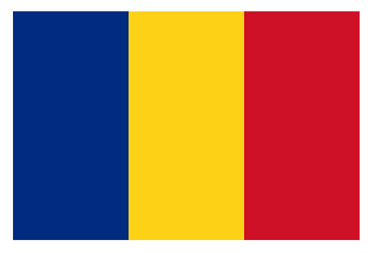
Romania ranks among the top European countries in terms of employee engagement, reaching a level of 31%, according to the “State of the Global Workplace 2026” report conducted by Gallup. This places the country in a strong position within the region, highlighting relatively high levels of workplace engagement (implicare la locul de muncă) and sustained employee motivation (motivația angajaților) compared to European averages.
Globally, however, the report indicates that employee interest in work is declining. Engagement currently stands at 20%, the lowest level recorded since 2020, pointing to a broader trend of declining productivity sentiment (scădere a motivației productive) and shifting attitudes toward employment. Europe remains the region with the lowest engagement levels for the sixth consecutive year, despite comparatively lower workplace stress (stres la locul de muncă) than in North America.
Employee motivation has a direct and measurable economic impact. According to the report, reduced engagement could result in global losses of up to 9% of GDP, underlining the importance of human capital performance (performanța capitalului uman) and its influence on economic output (producție economică).
Within Europe, Romania stands out with 31% of employees actively engaged at work, placing it alongside countries such as Albania (32%), Sweden (25%), and Malta (25%). These figures suggest a relatively positive environment for organizational commitment (angajament organizațional) and employee involvement, particularly when compared to the broader European context.
At the opposite end of the spectrum, countries such as Croatia (7%), Poland (7%), France (8%), Switzerland (8%), Luxembourg (9%), Ireland (9%), and Austria (9%) report the lowest engagement levels. This disparity highlights uneven development across Europe in terms of workplace satisfaction (satisfacție profesională) and employee experience.
Globally, the relationship between stress and engagement varies significantly by region. Europe records a moderate stress level of 39%, but engagement remains low at 12%, indicating a disconnect between employee well-being (bunăstare a angajaților) and active participation at work. In contrast, the United States and Canada show both high engagement (31%) and high stress (50%), reflecting a more intense but productive work environment.
Other regions display different patterns. Latin America and the Caribbean combine relatively high stress (49%) with strong engagement (30%), while the Middle East and North Africa report lower stress (21%) but also low engagement (14%). These differences illustrate how regional labor dynamics (dinamică a pieței muncii) shape workplace experiences globally.
Within Europe, southern countries report the highest stress levels. Greece leads with 61%, followed by Malta (57%), Cyprus (56%), Italy (51%), and Spain (47%). By contrast, Denmark (19%), Poland (22%), and Lithuania (23%) show the lowest levels of stress, highlighting significant variation in work-life balance (echilibru viață-muncă) across the continent.
Despite lower engagement, European employees report relatively strong well-being. About 49% say they are “thriving,” compared to a global average of 34%. Countries such as Finland (81%), Iceland (78%), and Denmark (78%) rank highest in this regard, reflecting favorable conditions for quality of life (calitatea vieții) and overall satisfaction.
The report also identifies key demographic patterns. The most stressed employees tend to be managers, individuals under 35, and those working in hybrid systems. Meanwhile, the least engaged employees are typically younger workers without leadership roles or access to remote work options. These findings highlight the importance of workplace flexibility (flexibilitate la locul de muncă) and career development opportunities.
Additionally, 15% of employees reported consciously disengaging from their work, a phenomenon known as “quiet quitting.” This trend reflects growing concerns about employee disengagement (dezangajare profesională) and the need for organizations to foster stronger connections with their workforce.
The study also notes that this is the first time global engagement has declined for two consecutive years without any region recording an increase. This signals a broader structural shift in how employees relate to their work, emphasizing the importance of leadership, workplace culture, and meaningful engagement strategies.
Overall, while Romania stands out as a relative leader within Europe, the global picture remains one of declining engagement. The findings underline the critical role of motivation, well-being, and workplace conditions in shaping both individual satisfaction and broader economic performance.
Key Romanian Vocabulary
implicare la locul de muncă workplace engagement
motivația angajaților employee motivation
scădere a motivației productive declining productivity sentiment
stres la locul de muncă workplace stress
performanța capitalului uman human capital performance
producție economică economic output
angajament organizațional organizational commitment
satisfacție profesională workplace satisfaction
bunăstare a angajaților employee well-being
dinamică a pieței muncii labor market dynamics
echilibru viață-muncă work-life balance
calitatea vieții quality of life
flexibilitate la locul de muncă workplace flexibility
dezangajare profesională employee disengagement